MN Bar #0402606 Se Habla Español 5.0 ★ Google Rating

Nursing Home Abuse Lawsuits in Minnesota

When a nursing home fails to protect its residents, the harm can be devastating — and often hidden. Andrade Law holds facilities accountable for abuse, neglect, and violations of residents’ rights under Minnesota’s Vulnerable Adults Act and the Health Care Bill of Rights.

Free Consultation: No fees unless we win your case. Past results do not guarantee future outcomes. This information is for educational purposes only.

Updated:
Practice: Personal Injury • Minnesota

Quick Summary

What Families Need to Know

Nursing home abuse and neglect are more common than most families realize. Minnesota law provides strong protections for vulnerable adults — and real consequences for facilities that violate them. Key facts:

  • Minnesota’s Vulnerable Adults Act (Minn. Stat. § 626.557) mandates reporting of suspected abuse or neglect
  • The Health Care Bill of Rights (Minn. Stat. § 144.651) guarantees dignity, privacy, and freedom from abuse for every resident
  • Facilities must meet minimum staffing and care standards under Minn. Stat. § 144A.10
  • Abuse includes physical harm, emotional cruelty, neglect, sexual abuse, and financial exploitation
  • Andrade Law handles claims on contingency — no fees unless we win

Time-Sensitive?

Contact Andrade Law immediately if:

  • Your loved one has unexplained bruises, fractures, bedsores, or sudden weight loss
  • The facility is refusing to let family members visit or inspect the resident’s room
  • Staff are dismissive or evasive when asked about injuries or changes in condition
  • Your family member has been moved, discharged, or transferred without adequate notice
Call Now: (651) 800-1313
24/7
Availability
$0
Upfront Costs*

Recognizing the Problem

Types of Nursing Home Abuse and Neglect

Abuse in nursing homes takes many forms. Some are visible. Others are hidden behind closed doors and institutional routines. Recognizing the type of harm is the first step toward holding the facility accountable.

Physical Abuse

Hitting, pushing, rough handling, inappropriate use of physical restraints, and any intentional infliction of bodily harm by staff or other residents that the facility failed to prevent.

Neglect

Failure to provide adequate food, water, hygiene, medication, mobility assistance, or medical attention. Neglect is the most common form of nursing home harm and often results from chronic understaffing.

Emotional and Psychological Abuse

Verbal threats, humiliation, isolation, intimidation, and deliberate emotional cruelty. Emotional abuse erodes a resident’s dignity and sense of safety, often causing withdrawal, depression, and anxiety.

Financial Exploitation

Theft of personal property, unauthorized use of bank accounts, coercing changes to wills or powers of attorney, and charging for services never rendered. Financial exploitation targets residents who may lack the capacity to manage their own affairs.

Sexual Abuse

Any unwanted sexual contact with a resident, including by staff members or other residents. Facilities have a duty to protect residents from sexual harm and to report any incidents immediately.

Medical Neglect

Failure to administer prescribed medications, ignoring changes in a resident’s condition, delaying medical referrals, and providing substandard wound care. Medical neglect can transform treatable conditions into life-threatening emergencies.

What to Watch For

Recognizing Signs of Abuse or Neglect

Residents who are being abused or neglected may not report it — out of fear, confusion, or inability to communicate. Families should watch for patterns, not just isolated incidents.

Physical Warning Signs

  • Unexplained injuries — bruises, fractures, burns, or cuts that staff cannot adequately explain
  • Bedsores (pressure ulcers) — particularly Stage III or IV ulcers that indicate prolonged immobility without repositioning
  • Sudden weight loss or dehydration — signs that the resident is not receiving adequate nutrition or fluids
  • Poor hygiene — soiled clothing, unwashed hair, untreated skin conditions, or strong odors in the room

Behavioral Warning Signs

  • Withdrawal or fearfulness — the resident seems anxious, avoids eye contact, or flinches around certain staff
  • Sudden change in personality — depression, agitation, confusion, or emotional flatness that was not present before
  • Reluctance to speak freely — the resident will not discuss their care when staff are present

Mandatory reporting: Under Minn. Stat. § 626.557, healthcare workers, social workers, and facility staff are legally required to report suspected abuse or neglect to the Minnesota Adult Abuse Reporting Center. Failure to report is itself a violation. Families may also file reports directly.

Minnesota Law

The Vulnerable Adults Act and Resident Rights

Minnesota has some of the strongest protections for nursing home residents in the country. Two statutes form the backbone of accountability:

Vulnerable Adults Act (Minn. Stat. § 626.557)

Establishes a comprehensive framework for reporting, investigating, and responding to abuse and neglect of vulnerable adults. It mandates that certain professionals report suspected maltreatment and authorizes investigations by county and state agencies. Substantiated findings become part of the facility’s regulatory record.

Health Care Bill of Rights (Minn. Stat. § 144.651)

Guarantees every patient and resident the right to respectful care, privacy, freedom from abuse, access to personal records, and the right to voice grievances without retaliation. Violations of these rights can support both administrative sanctions and civil liability claims.

Nursing Home Standards (Minn. Stat. § 144A.10)

Sets minimum requirements for staffing levels, staff training, care planning, infection control, and facility operations. Facilities that fail to meet these standards face regulatory action — and their deficiencies become evidence in civil negligence claims.

Andrade Law uses state inspection reports, deficiency citations, staffing data, and regulatory history to establish a pattern of neglect and build the strongest possible case against the responsible facility.

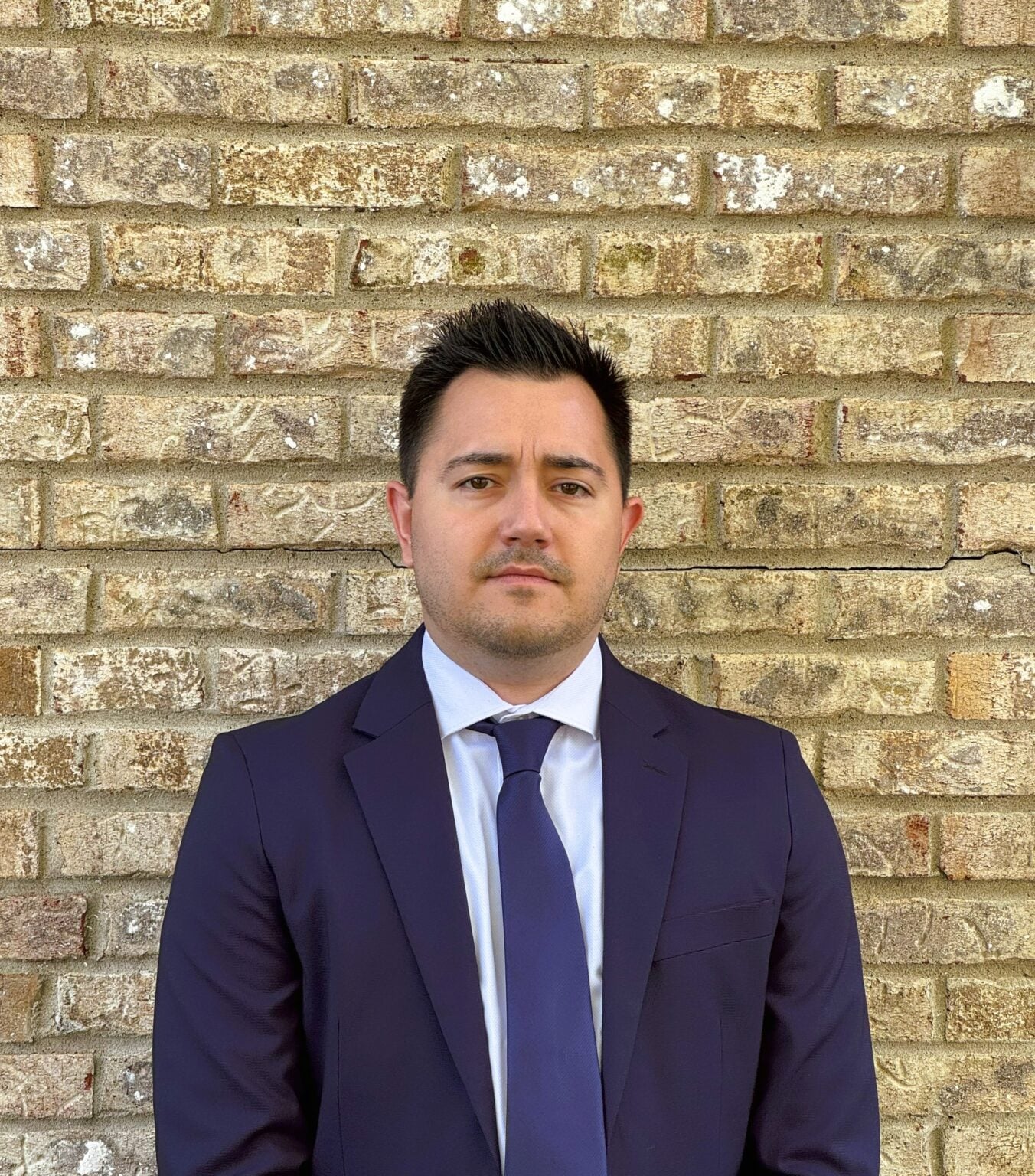
Attorney Gabe Andrade, Minnesota personal injury lawyer

Your Attorney

Gabe Andrade

Minnesota Personal Injury Attorney

Gabriel E. Andrade leads Andrade Law with a focus on accountability, careful case-building, and client-first communication. Nursing home abuse cases require an attorney who treats the resident and family with the same dignity the facility should have provided — and who is willing to go up against corporate ownership groups that prioritize cost-cutting over care.

MN Bar #0402606
5.0 ★ Google Rating
Se Habla Español
Available 24/7

Professional Associations

Minnesota State Bar Association Ramsey County Bar Association Hennepin County Bar Association Minnesota Hispanic Bar Association Hispanic National Bar Association Minnesota Association for Justice

Holding Facilities Accountable

How Andrade Law Investigates Nursing Home Claims

Nursing home abuse cases require a different approach than standard personal injury claims. The evidence lives inside the facility — in staffing logs, care plans, medication records, and incident reports. Andrade Law knows where to look and how to get it.

1

Obtain facility records and regulatory history

We request the resident’s complete medical chart, care plans, medication administration records, incident reports, and staff assignment logs. We also pull the facility’s state inspection history, deficiency citations, and any prior Vulnerable Adults Act complaints.

2

Identify patterns of understaffing and systemic failure

Most nursing home neglect is not caused by one bad employee. It is caused by deliberate understaffing to maximize profits. We analyze payroll records, staffing ratios, and turnover data to establish whether the facility had enough qualified staff to provide adequate care.

3

Retain medical and nursing experts

Board-certified geriatricians, wound care specialists, and nursing standard-of-care experts review the records to document exactly how the facility’s care deviated from accepted practices and directly caused the resident’s injuries.

4

Pursue full compensation through negotiation or trial

We present documented evidence to the facility’s insurer and, when necessary, to a jury. Corporate nursing home chains have experienced legal teams. We match their resources with thorough preparation and a willingness to go to trial.

Compensation

What Damages Can Be Recovered?

Nursing home abuse and neglect claims can recover compensation for the full scope of harm inflicted on the resident and the emotional toll on the family.

Medical Treatment Costs

Emergency care, hospitalization, wound treatment, surgery, rehabilitation, and any additional medical expenses caused by the facility’s negligence — including treatment for bedsores, infections, fractures, and malnutrition.

Pain and Suffering

Physical pain from untreated injuries, the indignity of neglect, and the suffering caused by abuse. See pain and suffering litigation for how these damages are documented and valued.

Emotional Distress

Fear, humiliation, anxiety, depression, and loss of dignity experienced by the resident. Family members may also have claims for emotional distress from witnessing or discovering the abuse. See emotional distress claims.

Wrongful Death

When nursing home abuse or neglect causes death, surviving family members may bring a wrongful death claim for funeral expenses, lost companionship, and pre-death pain and suffering.

Punitive Damages

In cases involving deliberate abuse, reckless disregard for resident safety, or corporate decisions to understaff facilities knowing harm would result, the court may award punitive damages to punish the wrongdoer and deter similar conduct.

Common Questions

Frequently Asked Questions

How do I report suspected nursing home abuse in Minnesota? +

Contact the Minnesota Adult Abuse Reporting Center (MAARC) at 1-844-880-1574. Under Minn. Stat. § 626.557, healthcare workers and facility staff are required to report suspected abuse, but anyone — including family members — can file a report. You should also contact an attorney to evaluate whether a civil claim exists alongside the regulatory investigation.

Can I sue a nursing home for bedsores? +

Yes, in many cases. Bedsores (pressure ulcers) are largely preventable with proper care — regular repositioning, skin assessments, adequate nutrition, and appropriate pressure-relieving surfaces. Stage III and IV bedsores in a care facility are strong evidence of neglect. Andrade Law works with wound care specialists to document how the facility’s failures caused or worsened the condition.

What if the nursing home has an arbitration clause in the admission agreement? +

Many nursing home admission contracts include mandatory arbitration clauses designed to keep abuse claims out of court. These clauses are not always enforceable under Minnesota law, particularly if the resident lacked capacity to understand the agreement, the clause was not clearly presented, or the family member who signed lacked legal authority. Andrade Law evaluates every admission agreement to determine whether arbitration can be challenged.

Can I bring a claim on behalf of a family member who has dementia? +

Yes. If the resident lacks capacity to bring a claim themselves, a court-appointed guardian or conservator can pursue the case on their behalf. If a guardianship is already in place, the guardian may authorize legal action. Andrade Law guides families through the process of establishing the legal authority needed to protect their loved one’s rights.

How long do I have to file a nursing home abuse lawsuit? +

The general statute of limitations for personal injury in Minnesota is 6 years from the date of the harm (Minn. Stat. § 541.05). For wrongful death claims related to nursing home abuse, the deadline is 3 years from the date of death. However, timely filing is critical because facility records may be destroyed and staff turnover can make witness identification difficult. Contact Andrade Law promptly to preserve your claim.

What does it cost to hire Andrade Law for a nursing home abuse case? +

Andrade Law handles nursing home abuse claims on a contingency fee basis. There are no upfront costs and no legal fees unless we recover compensation. The initial consultation is free and confidential.

Related Services

Related Practice Areas

Nursing home abuse cases often involve overlapping areas of personal injury law. Andrade Law evaluates all related claims to pursue maximum recovery for residents and families.

If the facility’s negligence constituted a breach of medical standard of care, see our medical malpractice claims page for how provider accountability works in Minnesota.

If the injury occurred due to dangerous conditions on the facility’s property, see our premises liability litigation page for property owner duty of care.

When nursing home abuse or neglect causes death, families may bring a wrongful death claim against the responsible facility.

For the emotional and psychological toll of witnessing or discovering abuse, see our emotional distress claims page.

For all personal injury claims across Minnesota, visit our personal injury services overview.

Free Nursing Home Abuse Consultation

Andrade Law — Saint Paul. No fees unless we win your case.

This page is general information, not legal advice. Every case depends on its specific facts and circumstances. Past results do not guarantee future outcomes.

Where We Practice

Twin Cities Metro Injury Representation

Office in Saint Paul. Cases handled across the metro and greater Minnesota.