Minnesota Jet Ski and Personal Watercraft Injury Claims
A jet ski hits a wake, a swimmer, or another PWC at 50 miles per hour. The trauma pattern looks more like a high-speed motorcycle crash than a boat ride. Minn. Stat. § 86B.313 governs personal watercraft operation in Minnesota. I build these cases on the forensic evidence that exists in the first 72 hours.
Free Consultation: No fees unless we win your case. Past results do not guarantee future outcomes. This information is for educational purposes only.
Quick Summary
What Drives a Jet Ski Injury Claim
Personal watercraft cases look simple from the dock and complicated from the courtroom. Here is what I look at first:
- The operator's compliance with Minn. Stat. § 86B.313 — PFD use, slow-no-wake zones, and 150-foot separation rules
- Whether alcohol was a factor — boating while impaired is a separate criminal and civil exposure under § 86B.33
- Who owned the PWC, and whether it was rented, borrowed, or operator-owned — coverage routes change with each
- DNR incident report, BAC testing, and any onboard GPS or telematics data
- You generally have 6 years under Minn. Stat. § 541.05 — but evidence ages in weeks, not years
Time-Sensitive?
Move now if:
- The other operator's insurer has called for a recorded statement
- The PWC has been moved, sold, or repaired since the incident
- Minnesota DNR has not yet completed its incident report
Available 24/7 · Free consultation
Minnesota Law
What Minnesota Law Says About Personal Watercraft
A personal watercraft is defined under Minn. Stat. § 86B.005 and regulated separately from larger motorboats. PWCs accelerate fast, cannot coast to a stop, and steer on throttle. Several statutes carry real weight in a civil claim.
Minn. Stat. § 86B.313 — Personal Watercraft Regulations
Every person on a PWC must wear a U.S. Coast Guard-approved life jacket. Operation is prohibited between one hour after sunset and one hour before sunrise. Operators must maintain a slow-no-wake speed within 150 feet of another vessel, shoreline, dock, swimmer, or anchored boat. Jumping the wake of another vessel within 150 feet is prohibited.
The Other Statutes That Move the Case
- Minn. Stat. § 86B.311 — General Watercraft Operation
- The baseline negligence statute for every watercraft on Minnesota waters. Operators owe a duty to navigate safely for prevailing conditions.
- Minn. Stat. § 86B.331 — Reckless Operation
- Reckless or careless PWC operation is its own offense — weaving, buzzing swimmers, ignoring no-wake zones, riding double-up beyond rated capacity.
- Minn. Stat. § 86B.33 — Operating Watercraft While Impaired
- Boating while impaired tracks the substantive thresholds from § 169A.20 (BAC 0.08+, controlled-substance impairment). A criminal disposition is powerful civil evidence.
- Minn. Stat. § 86B.321 — Speed Restrictions
- Speed and wake limits adjust by visibility, traffic, and proximity to shore. Violation is admissible on negligence and punitive-damage questions.
- Minn. Stat. § 86B.105 — Watercraft Registration
- Every PWC operated on Minnesota waters must be registered. The registration number traces the chain of title for the insurer-coverage question.
- 33 CFR § 175.15 — Federal PFD Requirement
- Coast Guard rule for recreational vessels — applies in parallel to § 86B.313 on federally navigable Minnesota waters.
Note: A PWC operator's violation of § 86B.313 is not a guaranteed verdict for the injured rider. It is, however, evidence of negligence per Minnesota's negligence-per-se doctrine when the statute was designed to protect the class of people the rider belongs to.
Responsibility
Who Can Be Liable in a PWC Collision
Jet ski cases rarely involve a single defendant. The chain of responsibility runs through the operator, the owner, and sometimes a rental business. Each has a different insurer answering the phone.
Operator
The person on the throttle when the impact occurred. Primary negligence target under § 86B.311 and § 86B.331.
Owner
Negligent-entrustment exposure if the owner handed the keys to an unlicensed, underage, or visibly impaired operator. Homeowner or umbrella coverage often answers.
Rental Operator
Commercial PWC rental businesses owe a separate duty — vessel maintenance, operator screening, and adequate pre-rental instruction. Their commercial policy is often higher-limit.
Alcohol Provider
In limited fact patterns, a commercial seller of alcohol may face dram-shop exposure when an obviously intoxicated patron then operates a PWC and causes injury.
The coverage question matters because Minnesota does not require liability insurance on a personal watercraft the way it requires no-fault on a passenger car. Coverage usually traces to the operator's homeowner or umbrella policy — and that tracing is where many cases break down before they ever reach a settlement table. The forensic-evidence stage of our methodology starts with policy-mapping in the first week.
Pillar I — Forensic Foundation
The Evidence Window Is Short
Water erases evidence. Hull paint transfer washes off in a week, the fuel-line condition changes the second the vessel is winterized, and the operator's blood alcohol concentration metabolizes in hours. The Forensic Foundation pillar of The Andrade Method exists for exactly this kind of case — we move on preservation before the defense knows we are involved.
What We Lock Down First
- The DNR incident report — Minnesota DNR conservation officers respond to reportable PWC incidents and produce a written report with operator statements, BAC results, and a scene diagram.
- BAC and chemical testing — if the operator was tested under § 86B.33, the result is a hard datapoint. If the operator refused testing, that refusal is admissible.
- Onboard GPS and telematics — modern PWCs carry GPS modules, intelligent throttle data, and key-coded operator profiles. A preservation letter goes out the same day we are retained.
- Witness statements and shoreline video — lake-house dock cameras, marina cameras, and phones of bystanders. We canvass within 72 hours because cloud-stored video rolls off.
- Scene photography with EXIF and GPS provenance — impact location, wake conditions, sun angle, channel-marker layout. Metadata makes the photo evidentiary instead of decorative.
- The vessel itself — hull, throttle, and steering inspection before the owner stores or repairs it. We retain a marine accident reconstructionist when the impact dynamics are contested.
If the case involves a passenger thrown into cold water, the secondary risk profile shifts. We coordinate the forensic record with the hypothermia and submersion injury workflow because the medical and legal timelines run on different clocks.
Deadlines
How Long Do You Have to File?
| Timeframe | Description | Citation |
|---|---|---|
| 6 Years | Most personal-injury claims from a PWC collision, including negligence and statutory liability | Minn. Stat. § 541.05 |
| 3 Years | Wrongful death actions following a fatal personal injury when a PWC operator's conduct caused a death | Minn. Stat. § 573.02 |
| 2 Years | Intentional-tort claims (assault-like conduct on the water) | Minn. Stat. § 541.07 |
Critical Note
The six-year limit is the outer wall. The real deadline is the evidence deadline — the vessel disappears, the witnesses move, the DNR report ages. Move in the first 30 days.
Your Rights
When the Law Is on Your Side
A claim adjuster will sometimes say the injured rider "assumed the risk" by getting on a jet ski at all. Assumption-of-risk arguments do not erase a statutory violation under § 86B.313 or impaired operation under § 86B.33. The early posture is meant to soften you before the real numbers are on the table.
Jurisdiction Notice
Laws vary by location and specific facts. This information is for educational purposes and does not constitute legal advice for your specific situation.
Your Next Steps
Step-by-Step: What to Do After a Jet Ski Collision
Get medical care immediately
Even if you can walk off the dock, internal trauma from a wake impact at 40 to 60 miles per hour can present hours later. Document everything in the ER.
Make sure DNR is on scene or notified
A reportable incident under requires a written report. Get the responding officer's name and badge number.
Photograph the scene before you leave
Both PWCs, the water conditions, channel markers, sun angle, your visible injuries. Phone photos carry EXIF metadata that authenticates time and place.
Identify every witness on the water
Names, phone numbers, and the boat or vessel they were on. Marina staff, dock neighbors, and other PWC riders often have the cleanest accounts.
Talk to a lawyer before any recorded statement
Insurers move fast on PWC files. A recorded statement given in the first week can be replayed against you for years. Call before, not after.
The Numbers
Why PWC Cases Are Different
613,000+
Motorized watercraft registered in Minnesota (4th in U.S., per U.S. Coast Guard 2024 Recreational Boating Statistics)
150 ft
Slow-no-wake separation under § 86B.313
0.08
BAC threshold for boating-while-impaired under § 169A.20
Common Injury Patterns
- Closed-head and concussion injuries — a wake hit pitches the rider forward; helmet use is rare on PWC.
- Spinal compression and lumbar disc injury — repeated jump-landings on choppy water concentrate force at L4-L5.
- Lacerations and propeller injuries — when a swimmer is struck or a thrown rider is hit by a following vessel.
- Drowning and cold-water immersion — especially early and late season on Minnesota lakes; see the cold water boating accident and hypothermia claims companion page.
Net Recovery
How a PWC Case Builds Net Value
Pillar IV of The Andrade Method — the net-recovery stage — focuses on what reaches your pocket after liens, fees, and medical costs. Minnesota does not impose a mandatory liability minimum on personal watercraft the way it does on passenger cars. Coverage hunts begin on day one.
No ethical lawyer can promise a number without the facts. The pieces below routinely move the value:
Factors That Move Value
- Injury severity — soft-tissue strain versus surgical spine, traumatic brain injury, or amputation.
- Coverage map — operator-owned PWC, rental commercial policy, owner's homeowner or umbrella endorsement, host-liquor coverage in dram-shop facts.
- Wage loss and future earning capacity — documented through tax returns, employer letters, and a life-care planner when injuries are catastrophic.
- Medical-lien posture — health insurers, ERISA plans, and hospitals all hold liens against settlement proceeds. Lien reduction is line-item recovery.
- Aggravating conduct — impaired operation, willful violation of § 86B.313, or reckless wake-jumping under § 86B.331. These shift the settlement posture materially.
Evidence Checklist
- ✓ DNR incident report and conservation-officer field notes
- ✓ Operator and witness BAC or chemical-test results
- ✓ Vessel registration, ownership, and rental agreement
- ✓ PWC service records and pre-rental inspection log
- ✓ Onboard GPS, throttle, and key-coded operator data
- ✓ Scene photos with EXIF metadata and witness videos
- ✓ ER and follow-up imaging, ICD-10 coded diagnoses
- ✓ All insurance declarations — homeowner, umbrella, commercial
Frequently Asked Questions
Does Minnesota require insurance on a jet ski? +
Minnesota does not require a stand-alone liability policy on a personal watercraft. Coverage typically traces to a homeowner, umbrella, or rental-commercial policy. The coverage map is one of the first things I build.
What if I was not wearing a life jacket? +
Minnesota's comparative-fault rule under Minn. Stat. § 604.01 can reduce a recovery if a jury finds the rider partly at fault. It does not eliminate the claim. A PFD violation is one factor among many — not a case-killer.
The operator says I cut them off. Is my case over? +
Operator versions diverge on every PWC case. The forensic record — GPS, witness lines of sight, the 150-foot rule under § 86B.313 — usually resolves the dispute. Do not let the other side's narrative settle in.
What if the operator was drinking? +
Boating while impaired under § 86B.33 is a separate criminal track. A criminal conviction or even a test refusal is powerful evidence in the civil case. It also opens questions about dram-shop liability if alcohol was served commercially.
Do I have a case if I was a passenger on the jet ski? +
Yes. Passengers thrown from a PWC are often the most seriously injured. The claim runs against the operator and, where applicable, the owner, the rental business, and any other vessel involved.
Where We Work
Minnesota Waters We Cover
PWC and jet ski incidents in the East Metro and Twin Cities lake regions form a meaningful share of our boating-accident docket. We handle claims from collisions on Lake Phalen in Saint Paul, the chain of lakes in Minneapolis — Lake of the Isles, Cedar Lake, Bde Maka Ska — and the open recreational waters of White Bear Lake. The northern and east suburbs route a steady share as well: Snail Lake and Lake Owasso through Roseville, and the East Metro lakes — Beaver, Carver, and Wakefield — through Maplewood. Where the incident happened shapes which sheriff's marine unit took the report, which county courthouse hears the case, and which witnesses we canvass first.
Related Reading
Related Watercraft Injury Topics
boating accident injury litigation
The broader liability landscape across motorboats, pontoons, sailboats, and PWC — statutes, coverage routes, and the multi-vessel investigation pattern.
cold water boating accident and hypothermia claims
When a PWC rider goes into the lake, the second injury — cold-water immersion — can be the more serious one. Different timeline, different evidence map.
For the broader injury landscape, see Minnesota personal injury representation.
Your Attorney
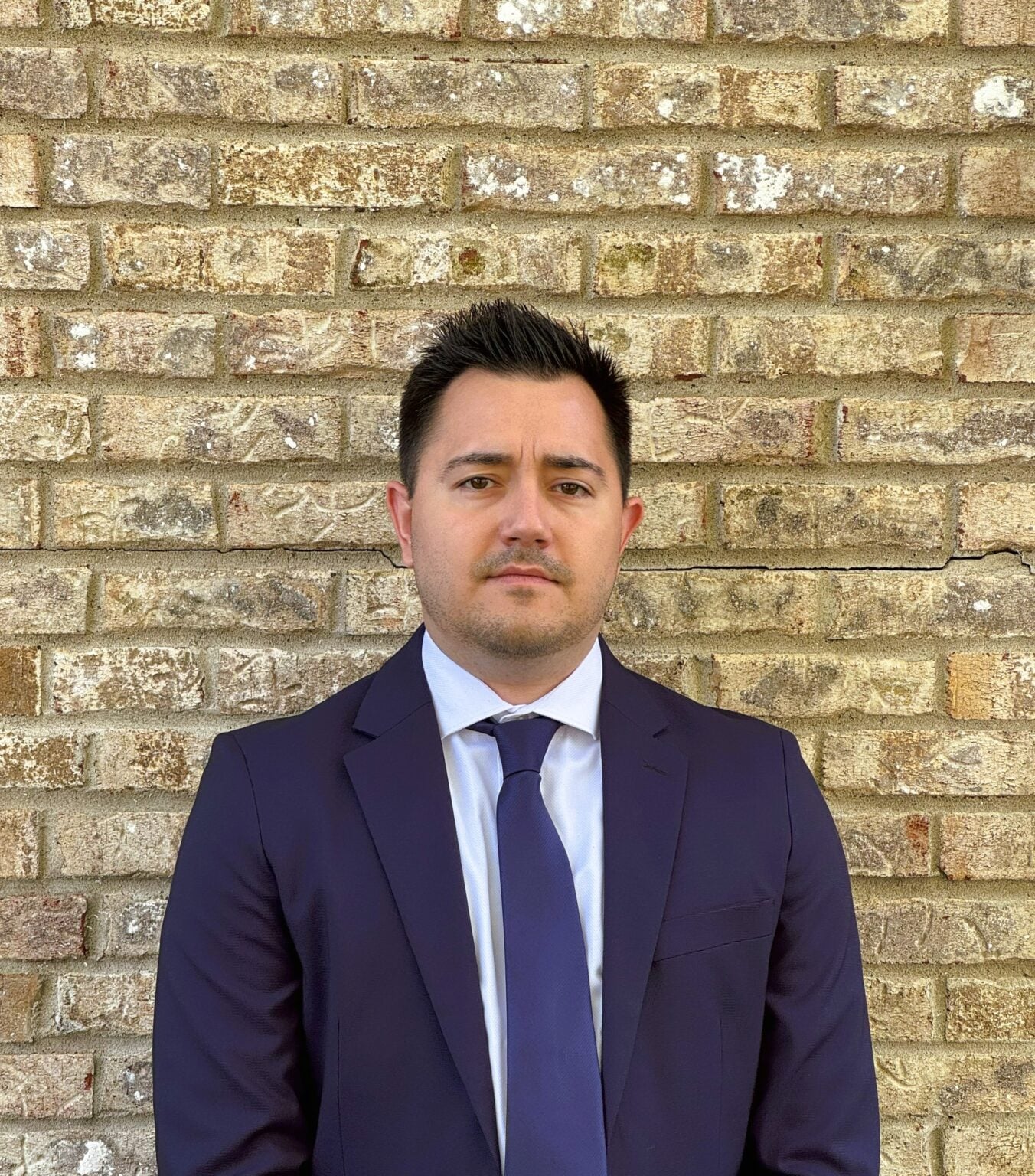
Gabe Andrade
Minnesota Personal Injury Attorney
Gabriel E. Andrade leads Andrade Law with a focus on accountability, careful case-building, and client-first communication. His approach is grounded in the reality that injuries disrupt everything—health, income, family life, and peace of mind—and the legal process should help, not add confusion.
If you’re navigating a serious injury, Gabe and the team can help you understand your options and what a fair path forward could look like.
Professional Associations






Schedule a Free Consultation
Andrade Law — Saint Paul. No fees unless we win your case.
Reference
Jet Ski Case Glossary
- Personal Watercraft (PWC)
- Defined under Minn. Stat. § 86B.005 — a small jet-propelled vessel designed to be operated by a person sitting, standing, or kneeling on the vessel.
- Slow-No-Wake
- The lowest speed at which a vessel can still be steered. Required under § 86B.313 within 150 feet of another vessel, shoreline, dock, or swimmer.
- BWI
- Boating while impaired — operation in violation of Minn. Stat. § 86B.33, applying the substantive impairment thresholds from § 169A.20.
- Comparative Fault
- Minnesota's rule under § 604.01 that allows a partly-at-fault claimant to recover, with damages reduced by their share of fault.
- Negligence Per Se
- A doctrine that treats a statutory violation as evidence of negligence when the statute was designed to protect a class of persons that includes the claimant.
- Statute of Limitations
- The deadline to file a lawsuit. Most PWC injury claims use the 6-year period under Minn. Stat. § 541.05.
Citations
Sources
- Minn. Stat. § 86B.005 — Boating Law Definitions
- Minn. Stat. § 86B.105 — Watercraft Registration
- Minn. Stat. § 86B.311 — General Watercraft Operation
- Minn. Stat. § 86B.313 — Personal Watercraft Regulations
- Minn. Stat. § 86B.321 — Speed Restrictions for Watercraft
- Minn. Stat. § 86B.33 — Operating Watercraft While Impaired
- Minn. Stat. § 86B.331 — Reckless Operation of Watercraft
- Minn. Stat. § 169A.20 — Driving / Operating While Impaired (substantive thresholds)
- Minn. Stat. § 541.05 — Six-Year Statute of Limitations
- Minn. Stat. § 573.02 — Wrongful Death Actions
- Minn. Stat. § 604.01 — Comparative Fault
- 33 CFR § 175.15 — Coast Guard PFD Requirements
- 33 CFR § 83.06 — Safe Speed Navigation Rule
- Minnesota Department of Natural Resources — Boating and Watercraft Program
- Minnesota Lawyer Registration — Attorney ID 0402606
This page is general information, not legal advice. Every case depends on its facts.