
Cold Water Boating Accident Claims
A crash on the water rarely ends at impact. Minnesota's lakes stay cold long into the season, and a capsizing or fall overboard can turn a survivable collision into a medical emergency in minutes.
Free Consultation: Andrade Law offers free consultations. This page is general information for educational purposes and is not legal advice.
Quick Summary
What You Should Know
Cold-water boating cases run on two clocks: the legal one, and the one that decides whether the evidence survives.
- Minnesota boating is governed by Minn. Stat. 86B — operators must follow DNR safety regulations, carry required equipment, and avoid reckless operation
- Minnesota's no-fault auto insurance system does not apply to boating accidents — compensation runs through a liability claim
- Multiple parties may be liable: the operator, the vessel owner, a rental company, a marina, or a government entity maintaining the waterway
- Most claims carry a six-year deadline (Minn. Stat. § 541.05), but evidence on the water disappears fast
- Comparative fault applies — expect questions about life jackets and who moved first
Act Quickly If:
Cold-water cases reward early action. Call now if:
- An insurer wants a recorded statement about the accident
- The boat is about to be repaired, sold, or put back in service
- The season is ending and the witnesses are about to scatter
The Cold-Water Factor
Cold Water Changes the Injury
Cold water attacks before the crash injuries are even counted. Sudden immersion can trigger cold shock — an involuntary gasp that pulls water into the airway. As muscles cool, swimming ability fails, and even strong swimmers struggle. Hypothermia follows if the immersion lasts.
Minnesota makes this worse. Ice-out fishing, spring openers, and fall hunts happen in the coldest water of the year, and deep lakes stay cold beneath a warm surface all summer. A collision that would mean bruises on land can mean drowning injuries, oxygen deprivation, or hypothermia on the water.
Tell every medical provider you were in the water. The record should document the immersion, not just the impact.
Minnesota Law
The Law That Governs Minnesota Boating
Minn. Stat. 86B
Minnesota's boating law. Operators must follow DNR safety regulations, carry required safety equipment, and avoid reckless operation. The chapter is enforced by the Minnesota Department of Natural Resources and county sheriffs.
Boating under the influence is a criminal offense under Minn. Stat. § 86B.331. The criminal case belongs to the state — but a BUI conviction strengthens the civil negligence case significantly. If alcohol was involved, preserving that fact starts early.
No-fault does not follow you onto the water. Unlike motor vehicle crashes, Minnesota's no-fault auto insurance system does not apply to boating accidents. Compensation comes from proving liability — early investigation matters more, not less.
Responsibility
Who May Be Liable
Boating cases rarely stop at the person holding the wheel. Depending on the facts, liability may reach:
- The operator
- The person controlling the vessel when it crashed.
- The vessel owner
- Ownership and operation aren't always the same person. We look at both.
- A rental company
- Rental fleets put fast, unfamiliar machines in inexperienced hands.
- A marina
- Fuel docks, moorings, and marina traffic patterns can contribute to a crash.
- A government entity
- An entity maintaining the waterway may be part of the picture.
Comparative fault applies to Minnesota boating claims. Expect the insurer to raise life jackets, alcohol, and seating. How fault gets divided shapes the outcome — so the story of those few seconds deserves care, not guesswork.
Deadlines
How Long You Have
| Deadline | Applies To | Citation |
|---|---|---|
| 6 years | Most Minnesota boating-injury claims, from the date of the accident | Minn. Stat. § 541.05 |
The Practical Window Is Shorter
The legal deadline is measured in years. The evidence isn't. Hulls get repaired, GPS tracks get overwritten, rental logs get purged, and witnesses go home at season's end. Preserve first — the deadline will still be there.
Your Next Steps
What to Do After a Cold-Water Boating Accident
Get medical care — and mention the water
Say clearly that you were immersed, and follow through on every referral.
Report the accident
The DNR and county sheriffs enforce Minnesota's boating laws. An official report anchors the facts.
Preserve the vessel and the gear
The boat, the life jackets, the clothing, and any GPS or electronics — photograph everything before repairs.
Talk to a lawyer before a recorded statement
Insurers move fast on boating claims. The consultation is free, in English or Spanish.
Common Questions
Cold-Water Boating Accident FAQ
Does Minnesota's no-fault system cover boating injuries? +
No. Minnesota's no-fault auto insurance system does not apply to boating accidents. Compensation comes through a liability claim against the responsible parties, which changes the strategy from the first phone call.
What if I wasn't wearing a life jacket? +
Comparative fault applies to boating claims, and the insurer will raise it. What that means for your case depends on the facts — the crash, the water, and what actually caused the injuries. A free case review sorts that out.
The other operator was charged with BUI. Does that help my claim? +
Boating under the influence is a criminal offense under Minn. Stat. § 86B.331, and a BUI conviction strengthens the civil negligence case significantly. The criminal case and your claim run on separate tracks — don't wait for one to finish before protecting the other.
How long do I have to bring a boating-injury claim? +
Most claims carry a six-year deadline from the date of the accident under Minn. Stat. § 541.05. The practical window is much shorter — evidence on the water disappears fast.
Important Information: This page is general information and is not legal advice. Contacting Andrade Law does not create an attorney-client relationship. Representation begins only after Andrade Law and the client sign a written engagement agreement. Every case depends on its own facts, and no result is guaranteed. The consultation is free.
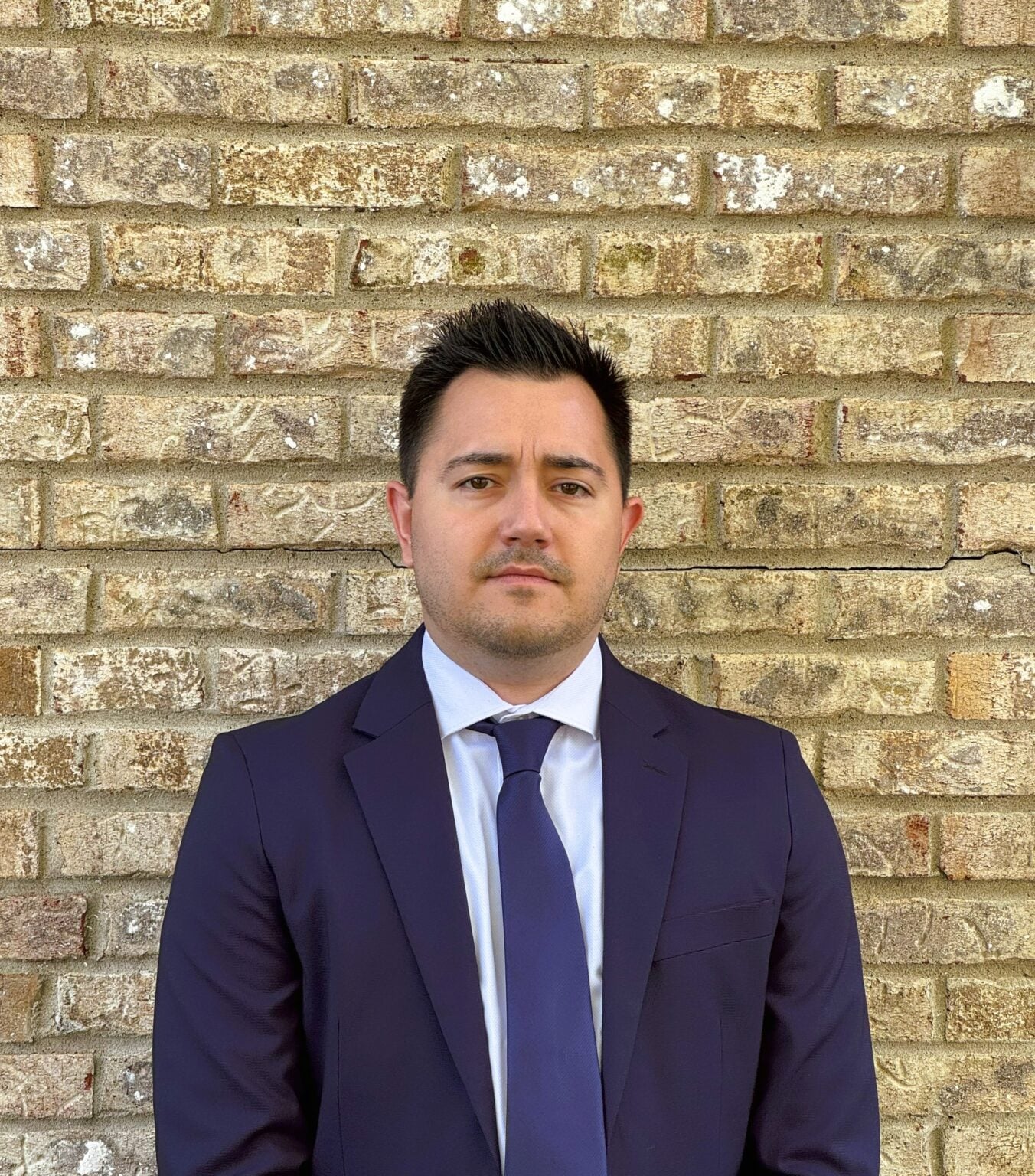
Your Attorney
Gabe Andrade
Minnesota Personal Injury Attorney
Gabriel E. Andrade leads Andrade Law with a focus on accountability, careful case-building, and client-first communication. His approach is grounded in the reality that injuries disrupt everything—health, income, family life, and peace of mind—and the legal process should help, not add confusion.
If you’re navigating a serious injury, Gabe and the team can help you understand your options and what a fair path forward could look like.
Professional Associations