
Jackknife Truck Accident Litigation
A jackknife takes seconds: the trailer outruns the tractor, pivots at the coupling, and folds the rig across the road. Everyone driving behind it inherits what happens next. These cases are about more than the driver's last two seconds — they're about the carrier's last two years.
Free Consultation: Andrade Law offers free consultations. This page is general information for educational purposes and is not legal advice.
Quick Summary
What You Should Know
Jackknife crashes are physics events with corporate causes. Start with these points:
- A folding trailer can sweep several lanes and set off chain-reaction collisions
- Hard braking on slick pavement, lightly loaded trailers, brake imbalance, and speed for conditions are the recurring triggers
- The carrier's hiring, dispatch, and maintenance choices belong in the investigation — not just the driver's steering
- The truck's own data can show the seconds before the fold — and it can be overwritten
- The general deadline for Minnesota personal injury claims is six years from the date of the accident (Minn. Stat. § 541.05)
Act Quickly If:
Trucking evidence is controlled by the other side. Call now if:
- The carrier's insurer has already reached out
- The tractor or trailer is headed for repair or salvage
- You've been told camera or telematics data may not be available
Crash Physics
How a Jackknife Happens
A semi is two vehicles joined at a pivot. When the tractor slows faster than the trailer — hard braking, a slick patch, an abrupt lane change — the trailer keeps pushing. It swings around the coupling the way a pocketknife closes. Past a certain angle, no steering input recovers it. The rig folds, sweeps the lanes beside it, and stops wherever the geometry says it stops.
Lightly loaded and empty trailers make it worse: less weight over the trailer axles means less traction, so the wheels lock and slide sooner. Brake imbalance, worn tires, and shifting cargo do the same work. None of that is bad luck. All of it traces back to maintenance, loading, and training decisions.
Winter Interstates
Winter on I-94 and I-35E
Saint Paul's interstates concentrate the conditions a jackknife needs. Bridge decks and ramps ice before the pavement around them. Rush hour packs traffic close, so a folding rig meets vehicles with nowhere to go. Winter storms turn one crash into a pileup as arriving drivers run out of stopping distance.
Our I-35E corridor crash risk analysis maps how these patterns play out on the route that carries commuters through downtown Saint Paul.
Carrier Liability
Why the Carrier Belongs in the Case
The driver made the last input. The carrier often built the conditions: who it hired, how it trained them, what the dispatch schedule demanded, and when the brakes were last serviced. I look at the whole chain — hiring and training records, dispatch and delivery-window pressure, brake and tire maintenance, and how the load was weighted and secured.
The pattern to expect: the carrier's story starts and ends with the weather. The carrier's records usually tell a longer story. Getting those records is the work.
Evidence
Evidence Moves Faster Than the Claim
Carriers respond to serious crashes within hours — investigators at the scene, adjusters on the file, counsel on call. The injured family is usually still at the hospital. Preservation has to start early: the engine control module, telematics, dashcam footage, driver logs, and inspection records can be overwritten or lost in the normal course of business. A preservation letter puts the carrier on notice before that happens.
Once a case is filed, our guide to subpoenaing vehicle and phone telematics explains how that data gets obtained formally.
Deadlines and Coverage
The Deadline — and Your Own Policy
Minn. Stat. § 541.05
The general statute of limitations for personal injury claims in Minnesota is six years from the date of the accident.
Whether your own no-fault coverage helps with early medical bills depends on your policy and your situation — see our no-fault insurance guide for eligibility details specific to your policy. Either way, the deadline that matters most is the informal one: how long the evidence lasts.
Common Questions
Jackknife Crash FAQ
What causes a truck to jackknife? +
The trailer decelerates slower than the tractor and swings around the coupling. Hard braking on slick pavement, light trailer loads, brake imbalance, worn tires, and speed that doesn't match conditions are the recurring triggers. Which of them applied is what the truck's own data usually answers.
Who can be held responsible after a jackknife crash? +
The investigation starts with the driver and the carrier, then follows the facts — maintenance records, loading decisions, dispatch pressure. Responsibility lands where the choices were made, and it's often shared.
How long do I have to file a truck accident lawsuit in Minnesota? +
The general statute of limitations for personal injury claims in Minnesota is six years from the date of the accident (Minn. Stat. § 541.05). Don't measure your timeline by it — the data and footage that explain a jackknife are often gone far sooner.
The road was icy. Does that end the claim? +
Ice explains the physics. It doesn't answer whether the speed, following distance, and equipment were reasonable for those conditions — that's exactly what we investigate before anyone accepts a weather excuse.
Should I give the carrier's insurer a recorded statement? +
Not before you've had legal advice. The statement costs them nothing and can cost you plenty while the facts are still settling. The consultation is free, in English or Spanish.
Important Information: This page is general information and is not legal advice. Contacting Andrade Law does not create an attorney-client relationship. Representation begins only after Andrade Law and the client sign a written engagement agreement. Every case depends on its own facts, and no result is guaranteed. The consultation is free.
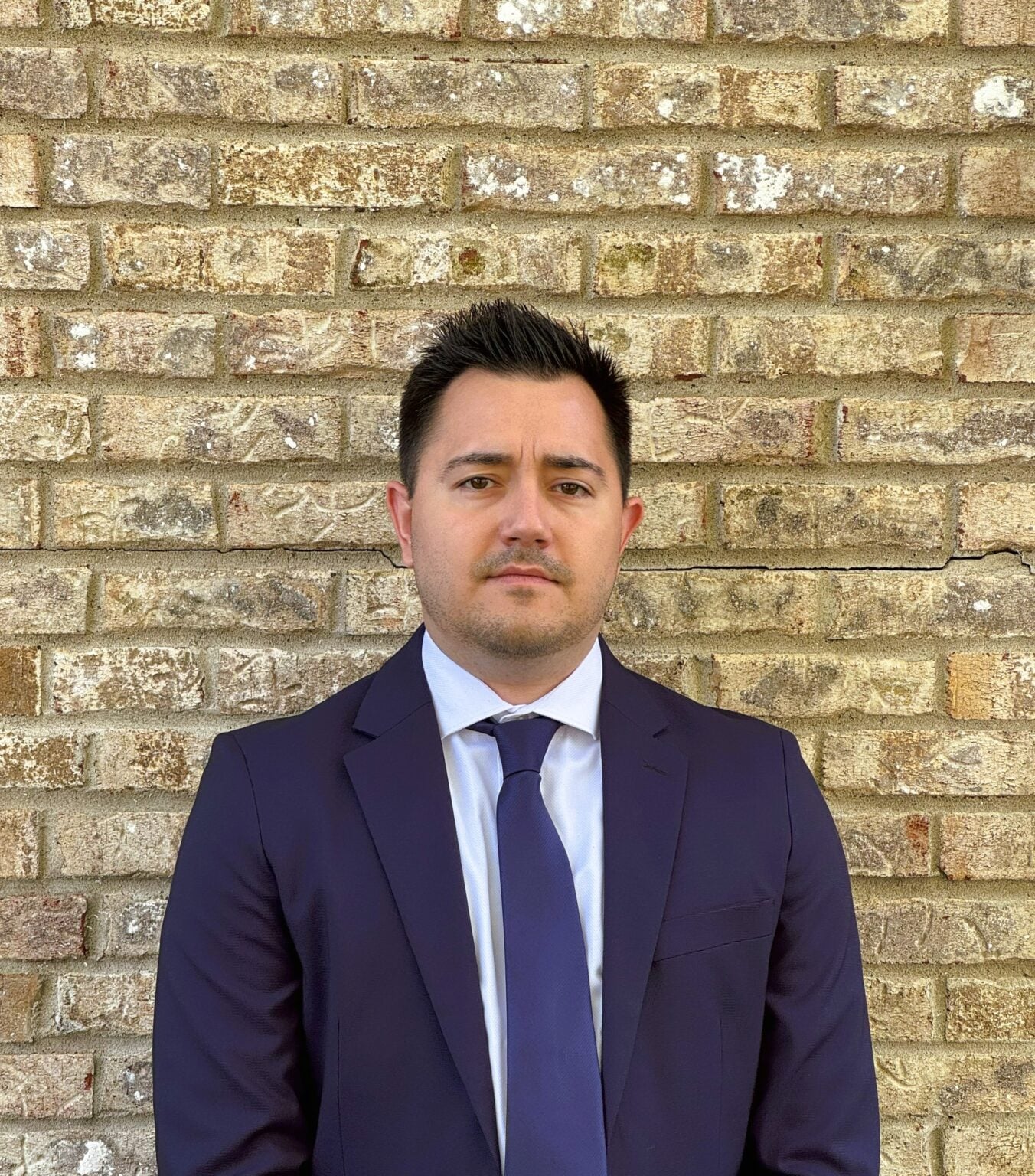
Your Attorney
Gabe Andrade
Minnesota Personal Injury Attorney
Gabriel E. Andrade leads Andrade Law with a focus on accountability, careful case-building, and client-first communication. His approach is grounded in the reality that injuries disrupt everything—health, income, family life, and peace of mind—and the legal process should help, not add confusion.
If you’re navigating a serious injury, Gabe and the team can help you understand your options and what a fair path forward could look like.
Professional Associations