MN Bar #0402606Se Habla Español5.0 ★ Google Rating

Insurance Claim Dispute Litigation

When insurance companies underpay, delay, or deny your valid claim, Andrade Law fights back. We challenge insurer tactics, document your full losses, and litigate when settlements fall short — protecting injury victims across Ramsey County and the Twin Cities.

Free Consultation: No fees unless we win your case. Past results do not guarantee future outcomes. This information is for educational purposes only.

Quick Summary

What You Need to Know

Insurance companies have teams of adjusters and attorneys protecting their bottom line. You need someone protecting yours. Here is what matters:

  • Disputes arise when insurers underpay, delay, deny, or misapply coverage on valid claims
  • Andrade Law reviews your policy terms, coverage limits, and UM/UIM provisions to identify all recovery sources
  • Bad faith insurer conduct may entitle you to additional remedies beyond your policy limits
  • Never sign a release or accept a final offer without legal review — you may be waiving valuable rights
  • We handle disputes across auto, commercial, rideshare, and premises liability insurance claims

Time-Sensitive?

Act quickly if:

  • Your insurer denied your claim or sent a reservation-of-rights letter
  • You received a lowball settlement offer that does not cover your losses
  • The insurer is asking you to sign a release before you are fully recovered
  • Deadlines for filing suit or responding to the insurer are approaching
Call Now: (651) 800-1313
24/7
Availability
$0
Upfront Costs*

Understanding the Dispute

What Is an Insurance Claim Dispute?

An insurance claim dispute arises when an insurance company fails to honor its obligations to a policyholder or claimant. Disputes take many forms — from outright denials to subtle tactics designed to minimize payouts. Understanding these tactics is the first step toward fighting back.

Claim Denials

The insurer refuses to pay, citing policy exclusions, coverage gaps, or disputed liability. Many denials are based on aggressive interpretations of policy language that do not hold up under legal scrutiny.

Lowball Offers

The insurer acknowledges the claim but offers far less than its actual value. Adjusters often present early offers before you understand the full extent of your injuries and losses, hoping you will accept out of financial pressure.

Delays and Stalling

The insurer drags out the process — requesting excessive documentation, failing to return calls, or reassigning adjusters — hoping you will give up or accept less. These delays can constitute bad faith under Minnesota law.

Bad Faith Practices

When an insurer deliberately misrepresents policy terms, withholds payment without reasonable basis, or fails to investigate a claim properly, it may be acting in bad faith. Minnesota law provides remedies including statutory interest and potential penalties.

  • Policy review is essential — Andrade Law verifies coverage limits, exclusions, and UM/UIM provisions before building your case
  • Documentation of all insurer communications — letters, emails, and recorded calls — becomes evidence in dispute resolution
  • Escalation timing matters — knowing when negotiation has failed and litigation is necessary can significantly affect your recovery
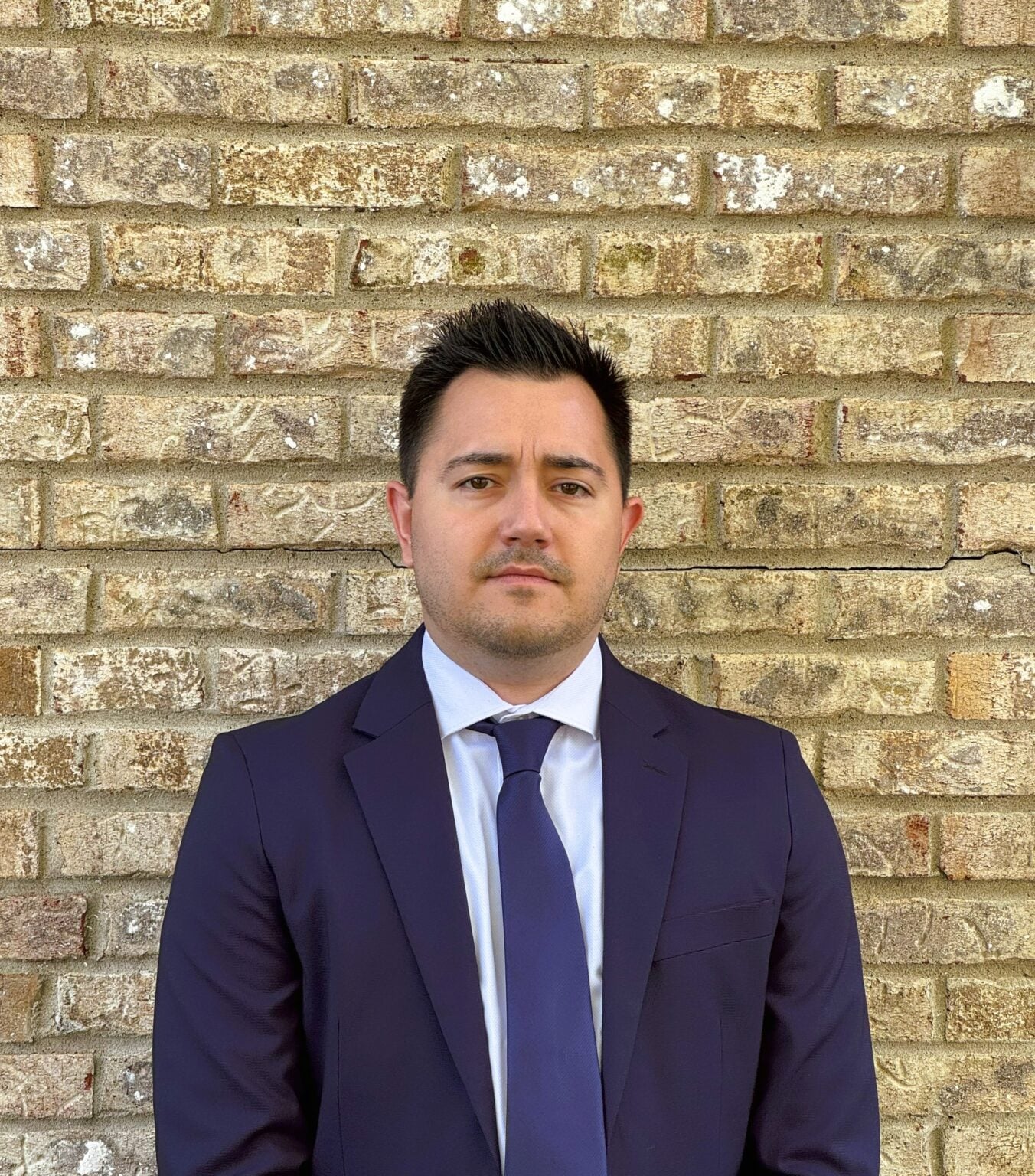
Attorney Gabe Andrade, Minnesota personal injury lawyer

Your Attorney

Gabe Andrade

Minnesota Personal Injury Attorney

Gabriel E. Andrade brings a personal commitment to every case. As a dedicated personal injury attorney serving the Greater Twin Cities, Gabe combines legal expertise with genuine compassion for clients facing difficult times.

MN Bar #0402606
5.0 ★ Google Rating
Se Habla Español
Available 24/7

Professional Associations

Minnesota State Bar Association Ramsey County Bar Association Hennepin County Bar Association Minnesota Hispanic Bar Association Hispanic National Bar Association Minnesota Association for Justice

Our Process

How Andrade Law Resolves Insurance Disputes

Attorney Gabriel Andrade brings a systematic approach to insurance disputes, combining policy analysis, damage documentation, and aggressive litigation strategy to force insurers to pay fair value.

1

Review Policy and Coverage

We analyze your insurance policy in detail — verifying coverage limits, deductibles, exclusions, UM/UIM provisions, and stacking options. Many disputes stem from insurers misapplying policy language or overlooking applicable coverage. This review often reveals additional sources of recovery the insurer did not disclose.

2

Document Full Damages

We assemble comprehensive damage documentation: itemized medical records and bills, repair estimates and property-damage documentation, employment records and wage-loss calculations, and police and accident reports with photos and witness statements. Every element is organized and quantified to counter the insurer’s position.

3

Counter Insurer Positions

We prepare formal demand letters with detailed value justification, challenge denial rationale with legal authority and policy analysis, and negotiate directly with adjusters and their counsel. When the insurer’s position is unreasonable, we document the bad faith for potential enhanced recovery.

4

Litigate When Necessary

When negotiation fails, we file suit, engage in discovery to obtain the insurer’s internal claim files and decision records, depose adjusters, and present expert testimony on damages. The threat and execution of litigation often produces substantially better outcomes than continued negotiation.

5

Pursue All Available Remedies

We pursue settlement, judgment, and where applicable, statutory interest, attorney fees, and enhanced damages for insurer bad faith. Minnesota law provides specific remedies designed to hold insurers accountable for unreasonable claims handling.

Compensation

What You Can Recover

Insurance claim disputes can involve multiple categories of recovery depending on the type of dispute and the insurer’s conduct:

Economic Damages

Medical costs past and future, lost wages, reduced earning capacity, vehicle repair or replacement, property damage, and all out-of-pocket expenses the insurer should have covered under the policy or liability claim.

Non-Economic Damages

Pain and suffering, emotional distress, and loss of enjoyment of life caused by the underlying injury. These damages are frequently the subject of insurer disputes because they lack a fixed dollar value. See our pain and suffering litigation page for how we quantify these claims.

Policy Remedies

Full policy limits recovery, UM/UIM benefits, and stacking where multiple policies apply. Many policyholders do not realize they have additional coverage through household vehicles, umbrella policies, or employer-provided insurance. Andrade Law identifies every applicable policy.

Bad Faith Remedies

When an insurer acts in bad faith, Minnesota law may provide additional remedies including statutory interest on delayed payments, attorney fees, and enhanced damages. These penalties are designed to deter insurance companies from engaging in unfair claims practices and to compensate you for the additional harm their misconduct causes.

Dispute Types

Common Insurance Dispute Scenarios in St. Paul

Insurance disputes arise across virtually every personal injury practice area. Here are the most common scenarios Andrade Law handles in the Twin Cities:

  • Low settlement offers after auto accidents — insurers frequently undervalue auto accident claims, particularly when injuries develop over time
  • Coverage denials for rideshare incidents — Uber and Lyft crashes involve layered insurance policies that carriers dispute
  • UM/UIM delays — when the at-fault driver lacks sufficient coverage, your own insurer may resist paying motorist insurance claims
  • Property damage undervaluation — after collisions or premises incidents, insurers undervalue repair costs and total loss calculations
  • Catastrophic injury claim handling — bad faith practices are particularly damaging in brain injury and spinal cord cases requiring long-term care

Your Protection

Steps to Protect Your Insurance Claim

What you do during an insurance dispute significantly affects the outcome. Follow these steps to strengthen your position:

  • Preserve all insurer correspondence — save every letter, email, denial notice, and reservation-of-rights communication
  • Document treatment and repair costs with itemized receipts, invoices, and records
  • Refuse to sign releases before having them reviewed by an attorney — releases often waive rights you did not intend to give up
  • Record insurer interactions — keep logs of phone calls (date, time, representative name, what was discussed)
  • Track your damages daily — symptoms, appointments, expenses, and how the injury affects your life
  • Consult Andrade Law before accepting any final offers — call (651) 800-1313 for a free case evaluation

When to escalate: Escalate to litigation when the insurer refuses reasonable settlement value, misapplies coverage, or acts in bad faith. Andrade Law assesses case strength, cost-benefit of suit, and timing to meet all statutory deadlines. Waiting too long to escalate can limit your options.

Common Questions

Frequently Asked Questions

What should I do if my insurance claim is denied? +

Do not accept a denial as final. Request the denial in writing with the specific reasons cited. Preserve all correspondence and documentation. Contact Andrade Law for a policy review — many denials are based on aggressive interpretations of policy language that do not hold up under legal challenge. We evaluate whether the denial is valid or whether the insurer is improperly limiting your recovery.

How do I know if my settlement offer is too low? +

Compare the offer to your total documented damages: medical bills (past and projected future), lost wages, property damage, and non-economic harm like pain and suffering. If the offer does not account for future treatment needs, ongoing pain, or lost earning capacity, it is likely too low. Andrade Law calculates the full value of your claim using expert medical and economic analysis before responding to any settlement offer.

What is insurance bad faith under Minnesota law? +

Insurance bad faith occurs when an insurer fails to deal fairly with its policyholder or a claimant. Examples include denying a claim without a reasonable basis, failing to conduct a prompt investigation, misrepresenting policy provisions, and unreasonably delaying payment. Minnesota law provides remedies for bad faith, including statutory interest on delayed payments and potential additional penalties.

Can I sue my own insurance company? +

Yes. First-party claims against your own insurer are common in UM/UIM disputes, PIP/no-fault benefit denials, and coverage disagreements. Your insurer owes you a duty of good faith under the policy contract. When it fails to honor that duty, you have the right to sue for the benefits owed plus any additional remedies available under Minnesota law.

How long does an insurance dispute take to resolve? +

Timelines vary significantly based on dispute complexity, the insurer’s willingness to negotiate, and whether litigation is necessary. Some disputes resolve in weeks through demand letters and negotiation. Others require months of litigation, discovery, and potentially trial. Andrade Law pursues the fastest path to maximum recovery — negotiating aggressively but preparing for trial from day one.

Free Insurance Dispute Consultation

Andrade Law — Saint Paul. No fees unless we win your case.

This page is general information, not legal advice. Every case depends on its facts. Past results do not guarantee future outcomes.

Reviewed by:
Last updated: