MN Bar #0402606Se Habla Español5.0 ★ Google Rating

Drunk Driving Accident Litigation

Victims of drunk driving accidents deserve aggressive legal representation. Andrade Law holds intoxicated drivers accountable through civil litigation — pursuing every dollar of compensation available under Minnesota law for medical costs, lost income, and lasting harm.

Free Consultation: No fees unless we win your case. Past results do not guarantee future outcomes. This information is for educational purposes only.

Quick Summary

What You Need to Know

Drunk driving accident claims target the intoxicated driver’s civil liability — separate from any criminal prosecution. Here is what matters:

  • Civil lawsuits against drunk drivers use a lower burden of proof than criminal cases
  • Punitive damages may be available when the driver’s conduct was reckless or willful
  • Employers, bars, and rideshare companies may also share liability for the crash
  • Criminal DUI evidence — BAC tests, arrest reports, officer testimony — is admissible in civil proceedings
  • You generally have 6 years to file — but evidence preservation requires immediate action

Time-Sensitive?

Act quickly if:

  • The drunk driver’s insurer is pressuring you for a statement
  • Police reports or BAC evidence has not been secured
  • Surveillance video from nearby businesses may be overwritten
  • The at-fault driver is uninsured or underinsured
Call Now: (651) 800-1313
24/7
Availability
$0
Upfront Costs*

Your Legal Rights

Civil Claims Against Drunk Drivers

A drunk driving lawsuit is a civil action brought by the victim — not the government. While the criminal system focuses on punishment, the civil claim focuses on compensating you for the harm the drunk driver caused. These two proceedings run independently, and the outcome of one does not control the other.

In Minnesota, the civil burden of proof is “preponderance of the evidence” — meaning you must show it is more likely than not that the driver was impaired and caused the crash. This is significantly easier to meet than the criminal “beyond a reasonable doubt” standard, which is why civil claims frequently succeed even when criminal charges are reduced or dismissed.

  • No conviction required — civil liability can be established with BAC evidence, witness testimony, and expert analysis alone
  • Broader evidence rules apply in civil court, allowing more information to be presented to support your claim
  • Multiple damage categories are available including medical, economic, non-economic, and potentially punitive damages
  • Minnesota’s comparative fault reduces damages proportionally if you share fault, but does not bar recovery unless your fault exceeds 50%

Important distinction: This page focuses on civil claims brought by victims against drunk drivers. If you or someone in your vehicle was injured in a DUI-related crash and you need broader information about all DUI crash injuries, see our DUI injury page.

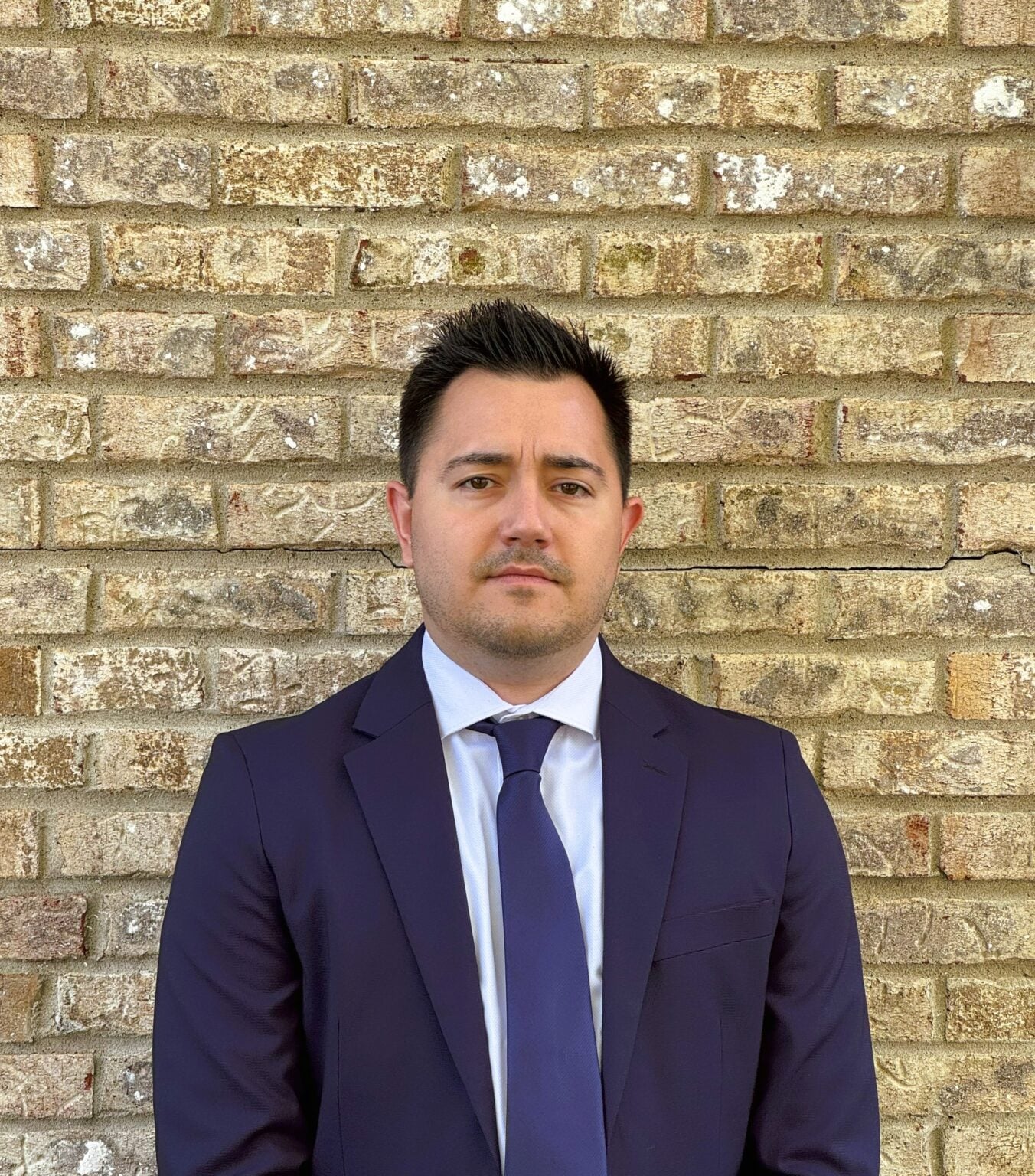
Attorney Gabe Andrade, Minnesota personal injury lawyer

Your Attorney

Gabe Andrade

Minnesota Personal Injury Attorney

Gabriel E. Andrade brings a personal commitment to every case. As a dedicated personal injury attorney serving the Greater Twin Cities, Gabe combines legal expertise with genuine compassion for clients facing difficult times.

MN Bar #0402606
5.0 ★ Google Rating
Se Habla Español
Available 24/7

Professional Associations

Minnesota State Bar Association Ramsey County Bar Association Hennepin County Bar Association Minnesota Hispanic Bar Association Hispanic National Bar Association Minnesota Association for Justice

Responsibility

Common Causes and Liable Parties

Drunk driving crashes result from alcohol impairment, drug impairment, or a combination of both. The liable parties often extend beyond just the driver behind the wheel.

Intoxicated Driver

The primary defendant in any drunk driving civil claim. Operating a vehicle with a BAC of 0.08 or higher constitutes negligence per se in Minnesota — meaning impairment is presumed as a matter of law, and the injured party does not need to separately prove carelessness.

Bars and Servers (Dramshop)

Under Minnesota’s dramshop statute (Minn. Stat. § 340A.801), a bar, restaurant, or liquor store that served alcohol to an obviously intoxicated person or a minor may face civil liability. These claims add an additional source of insurance coverage and recovery.

Employers

If the drunk driver was operating a commercial vehicle or performing work duties, the employer may be vicariously liable. This is especially significant in truck accident cases where commercial insurance limits are substantially higher.

Rideshare Platforms

When an Uber or Lyft driver causes a drunk driving crash, the platform’s insurance policies create layered coverage depending on driver status at the time. See our Uber and Lyft page for how these claims work.

Building Your Case

How Andrade Law Proves Intoxication and Causation

Proving a drunk driving civil claim requires connecting the driver’s impairment to the crash mechanics and your injuries. Andrade Law follows a methodical approach to building this evidence chain.

1

Obtain Official Reports and Records

We immediately secure the police report, arrest paperwork, BAC and toxicology test results, and field sobriety test documentation. These records capture the driver’s condition at the time of the crash and form the foundation of the impairment proof.

2

Collect Witness and Video Evidence

Eyewitness statements from other drivers, passengers, and bystanders document the driver’s behavior before and during the crash. Surveillance footage from nearby businesses and dashcam recordings often capture critical evidence of impaired driving patterns like swerving, running signals, or erratic speed.

3

Retain Specialized Experts

Toxicologists analyze blood alcohol absorption rates and impairment timelines. Accident reconstructionists use physical evidence to model crash dynamics. Together, these experts establish a clear causal link between the driver’s intoxication and the resulting collision.

4

Link Impairment to Your Injuries

Medical experts document how the crash mechanics caused your specific injuries, project future treatment needs, and quantify long-term impacts. This medical evidence connects the drunk driver’s impairment directly to your damages.

5

Pursue Maximum Recovery

We present a comprehensive demand to all insurers, including the driver’s carrier, any employer’s commercial policy, dramshop liability coverage, and your own UM/UIM policies. When insurers refuse fair compensation, we file suit and prepare for trial.

Compensation

Damages Commonly Recovered

Drunk driving accident victims often recover more than in standard collision cases because impairment evidence strengthens liability and may unlock punitive damages. Here are the categories of compensation available:

Medical Damages

Emergency room treatment, surgery, hospitalization, rehabilitation, prescription medications, and projected future medical care. Drunk driving crashes frequently cause severe injuries including traumatic brain injuries and spinal cord damage that require long-term treatment.

Economic Damages

Lost wages during recovery, diminished future earning capacity, vehicle repair or replacement costs, and all out-of-pocket expenses related to the crash. We use employment records and vocational experts to document lifetime economic impact.

Non-Economic Damages

Physical pain, scarring, emotional distress, anxiety, depression, PTSD, and loss of enjoyment of life. The trauma of being harmed by someone who chose to drive drunk compounds the emotional impact of these injuries. See our pain and suffering litigation page for how we quantify these damages.

Wrongful Death Damages

When a drunk driving crash kills a victim, surviving family members can pursue claims for funeral costs, loss of financial support, loss of companionship, and other survivor damages under Minnesota’s wrongful death statute. See our wrongful death litigation page.

Punitive damages: Minnesota courts may award punitive damages in drunk driving cases where the defendant’s conduct was particularly egregious — such as extremely high BAC levels, prior DUI convictions, or fleeing the scene. These damages go beyond compensation and are designed to punish and deter. Andrade Law evaluates every case for punitive damage potential.

Your Next Steps

What to Do After a Drunk Driving Crash

The decisions you make immediately after a drunk driving crash significantly affect the outcome of your civil claim. Take these steps to protect your rights:

  • Call 911 and seek immediate medical attention — even if injuries seem minor, adrenaline can mask serious harm
  • Request the police report number — the officer’s documentation of the driver’s impairment is critical civil evidence
  • Photograph the scene — vehicles, injuries, road conditions, debris, and any visible signs of alcohol (open containers, etc.)
  • Collect driver, witness, and insurance information — names, license plates, policy numbers, and witness contact details
  • Preserve damaged clothing and property — physical evidence may support expert analysis of crash forces
  • Contact Andrade Law at (651) 800-1313 — do not give recorded statements to insurers before speaking with an attorney

How Andrade Law handles insurers: We document losses thoroughly, reject lowball offers, and pursue all available coverage sources — at-fault driver liability, employer commercial policies, dramshop coverage, and your own UM/UIM benefits. See insurance claim dispute for tactics we use in contested claims.

Common Questions

Frequently Asked Questions

Can criminal DUI evidence help my civil case? +

Yes. Criminal findings, BAC test results, field sobriety test failures, and police officer testimony all strengthen civil claims substantially. Civil cases use broader evidence rules than criminal proceedings, which means additional evidence — such as prior driving history or bar receipts — may also be admissible. A criminal DUI conviction is particularly powerful because it establishes impairment as a matter of record.

What if the drunk driver has no insurance? +

If the drunk driver is uninsured, your own uninsured motorist (UM) coverage becomes the primary recovery source. If the driver has insurance but insufficient limits, your underinsured motorist (UIM) coverage fills the gap. Andrade Law reviews every policy in your household to identify all available coverage. See our motorist insurance claims page for more on UM/UIM litigation.

How is a drunk driving civil claim different from a standard car accident claim? +

Drunk driving claims carry several advantages: (1) impairment evidence often establishes negligence per se, making liability easier to prove; (2) punitive damages may be available on top of compensatory damages; (3) additional defendants such as bars, servers, and employers may expand the pool of available insurance; and (4) juries tend to be more sympathetic to victims of drunk driving crashes, which strengthens settlement leverage.

What is Minnesota's dramshop law, and how does it help victims? +

Minnesota’s dramshop statute (Minn. Stat. § 340A.801) creates civil liability for bars, restaurants, and liquor stores that illegally served alcohol to a person who was obviously intoxicated or underage. If that person then causes a drunk driving crash, the establishment may be liable for the victim’s damages. Dramshop claims add an additional insurance source and often carry their own policy limits, significantly increasing available recovery.

How long do I have to file a drunk driving accident lawsuit in Minnesota? +

The general statute of limitations for personal injury in Minnesota is 6 years from the date of the accident (Minn. Stat. § 541.05). Dramshop claims also carry a 6-year limitations period. However, claims against government entities may have much shorter notice requirements. Regardless of deadlines, early action is critical because evidence — BAC records, surveillance video, witness memories — degrades rapidly.

Free Drunk Driving Accident Consultation

Andrade Law — Saint Paul. No fees unless we win your case.

This page is general information, not legal advice. Every case depends on its facts. Past results do not guarantee future outcomes.

Reviewed by:
Last updated: